
I am someone who has experience in both journalism and popular culture, which is obvious if you have sacrificed the very minimal time it takes to explore this site. Don’t worry, I wouldn’t waste my time either, so I understand why this may be your only stop. Working in various cultural industries, I enjoy analyzing the intersection of sub-fields of production, such as the relationship between journalism and fiction.
The image of the journalist in popular culture has been studied before, and these depictions of reporters and the industry they navigate has an effect on how audiences perceive real-world media. There are layers to the formation of these perceptions, including low media literacy, the fact that most people never interact with journalists in their life, and that the consumption of traditional news is down while relying on social media for information on current affairs is up. This is dangerous because social media is a space where news and entertainment intermingle – and sometimes parallel each other.
Another issue is popular culture’s tendency to portray the drama-riddled negative side of journalism as much or even more than its celebratory and transformative function in society. This opens the door for certain people, let’s say a political figure, to vomit out impulsive late-night rants about the real-world media without anything backing up the sundown-infused claims in order to discredit journalists. If we consider that people don’t have any direct knowledge of or experience with journalism and they may be consuming more entertainment than legitimate news, we can see how these fictitious depictions are influential as audiences consume the content.
“Hey, that senile funny-looking dude in a suit said journalists are evil and lie all the time, and that is what this show is about, so it must be true! Hmm, you know what, maybe the earth really is flat, then?”
See how ridiculous fast things can escalate. My plight as a researcher is not to make fun of people, but it is to showcase how journalist portrayals in fiction can vary and offer different insights into the profession, some being valid, both negative and positive, some exaggerated to stimulate emotions, and some that echo the the baseless musings of dementia. We will leave out the latter because I may need access to funding in the future.
After Life
The purpose of this study was to analyze how the Netflix show After Life highlights the effect personal trauma has on a community journalist’s professional duties. If you haven’t seen the show, I highly recommend it. After Life follows Tony Johnson (Ricky Gervais), a small-town features journalist, through his grieving process after his wife (Kerry Godilman) dies of breast cancer. The dark comedy uses suffering as a source of humor and blends dramatic elements into the plot to offer a very insightful view – albeit not intended – into the daily life of a community journalist.

Community journalism is a highly-personal, local-first gig in which many readers have familiarity with the reporters. This lack of detachment and close connection to the community could have an effect on the reporter’s well-being, however. For example, if a reporter’s partner dies of cancer and they have to cover a story on cancer and visit with sources at the same hospital where their partner died, this assignment could trigger PTSD. Not to mention interviewing people who knew their partner, people going through the same situation, being present at events and places that remind them of their partner, and the list of triggers can go on and on. Most research covers how professional trauma affects a journalist’s personal life, but little talks about how personal trauma affects their professional life.
This analysis aimed to use a fictional portrayal of journalism as an example of real-world issues journalists face. After watching all 18 episodes of After Life three times each, which was approximately 1,620 minutes of my boring life, it was found that Johnson experienced intense memories of his late wife through his professional interactions with sources and places, which affected his grieving process, some moments even leading to suicidal tendencies. However, it was also found that Johnson demonstrated growing resilience through his interaction with the community.
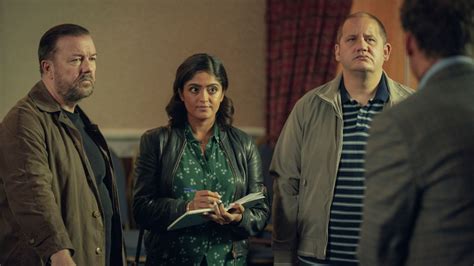
The analysis also found that Johnson frequently struggled to maintain professional objectivity and detach himself from the stories he covered, but also demonstrated the qualities of an empathetic advocate and storyteller. Additionally, the community seemed to have both a positive and negative influence on Johnson’s grieving process. Lastly, it showed that Johnson’s personal and professional identities were fully intertwined and that the relationships he developed generated a sense of resilience, allowing for an exchange of support and kindness between the journalist and the community.
“All we’ve got is each other”
There are plenty of examples and excerpts shared in the full study that support these findings, which was published by Journal of Popular Television. You can read the article here. I just didn’t want to offer any major spoilers in this post.
Being a journalist is a tough gig despite how much the profession is publicly demeaned by external fools. Actually, that is part of what makes it tough. Not everyone understands it and not everyone can do it, but there are a lot of professions like that. I can’t go be an accountant because I don’t understand taxes and numbers. I’m not going to call them evil liars because I’m scared of them though. OK, OK, I get it, but keep your thoughts about the IRS to yourself before you get audited.
Though Johnson’s grieving process impacted his role as a community journalist, he ultimately remained a community-builder, engaging with residents and exemplifying the reciprocal nature of journalist-source relationships through resilience. Working a tough gig means journalists are inherently resilient, so it is fitting.
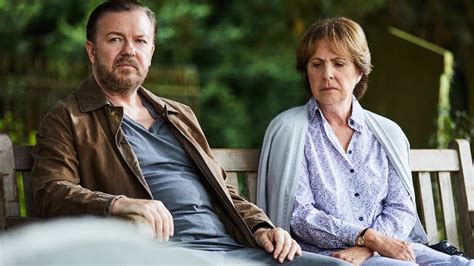
After Life offered an insightful popular culture portrayal of a journalist. See, journalists aren’t just evil liars like the IRS. I’m too small-stakes to be audited, so it wouldn’t be worth your time. But I am kidding, just in case. How about we just say they aren’t evil liars like politicians.
It’s funny how you find out things looking below the surface and realizing there is much more to topics than what a crazy old suit blurts out.
Moving forward
This study was not meant just to analyze the image of the journalist in popular culture. Just like how the audience’s perception of real-world news can be influenced by fictitious portrayals, these depictions can also help illuminate issues that can, and should, be addressed in practice. After Life reveals both negative and positive implications of the community journalist role and underscores the significance of community engagement as journalists navigate the intersection of their professional and personal identifies.
Be aware that, though you have little knowledge of and experience with journalism, journalists are people, too, and they are much more like you than the people who tend to criticize the profession. After all, their democratic function is to serve the public because they are part of the public, and they resiliently keep doing so..

 Carl Lawrence Knauf